

Specifications of Solar Cells
Understanding the specifications of solar cells is crucial for assessing their performance and suitability for various applications. One of the primary metrics to consider is the efficiency rate, which represents the percentage of sunlight converted into usable electricity. Typically, monocrystalline solar cells exhibit the highest efficiency rates, generally ranging from 15% to 22%. This high efficiency is due to the high purity of silicon used in their construction, allowing for better electron flow and energy conversion.
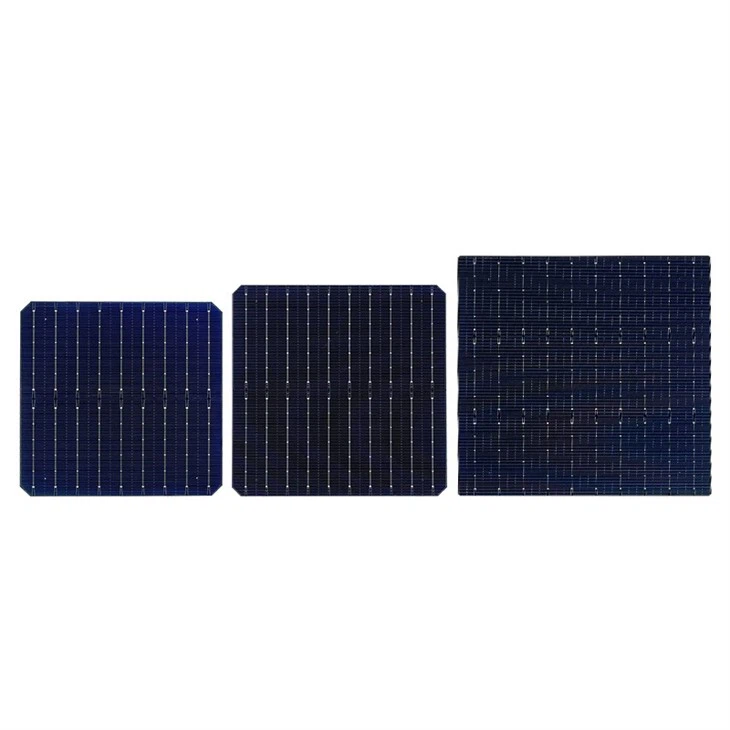
Polycrystalline solar cells are known for their relatively lower efficiency, usually between 13% to 17%. Although they are less efficient than their monocrystalline counterparts, polycrystalline cells are generally more cost-effective due to the simpler manufacturing process. Thin-film solar cells, on the other hand, possess the lowest efficiency rates, typically around 10% to 12%. However, their lightweight and flexible design enables them to be integrated into a wider variety of surfaces, which can be advantageous for specific applications.
Another important specification is the power output, which is measured in watts. The power output of a solar panel depends on its size and efficiency; larger panels can generate more electricity. Ideal operating conditions also play a pivotal role in performance. Most solar cells achieve peak efficiency under direct sunlight and moderate temperatures, as high heat can negatively impact their output. Moreover, factors such as material quality and cell construction significantly influence overall performance metrics.
Environmental impacts must also be considered when evaluating solar cell specifications. For instance, the production processes and materials used can determine the carbon footprint of solar cells. It is essential for manufacturers to adopt sustainable practices to minimize the negative effects on the environment while maximizing performance. Understanding these specifications allows consumers to make informed decisions when selecting solar energy solutions tailored to their needs.
Processes Involved in Solar Cell Production
The production of solar cells is a complex, multi-step process that begins with the careful selection of raw materials, primarily silicon. Silicon, derived from sand, is advantageous due to its abundant availability and excellent semiconductor properties. The first step involves the purification of silicon, where metallurgical-grade silicon undergoes chemical processing to achieve the required purity levels. This is typically accomplished through the Siemens process or the fluidized bed reactor method, which separates impurities and provides the high-purity silicon necessary for efficient solar cell fabrication.
Once the silicon has been purified, the next phase is cell fabrication. This process includes slicing the purified silicon into thin wafers, which can be monocrystalline or polycrystalline depending on the manufacturing technique. Monocrystalline wafers tend to offer higher efficiency but are more expensive, while polycrystalline wafers are less costly but slightly less efficient. After slicing, the wafers are subjected to various treatments to form the p-n junction, often using doping with materials such as phosphorus and boron to create areas of positive and negative charge carriers within the silicon structure.
Quality control is an essential component of solar cell production, ensured through extensive testing at various stages of the manufacturing process. This may involve visual inspections, electrical performance assessments, and temperature coefficient evaluations, which help to maintain high standards and guarantee that the final solar products meet industry benchmarks.
Furthermore, the landscape of solar cell manufacturing is continually evolving, driven by advancements in technology and increased research into novel material combinations such as perovskites and bifacial cells. This ongoing innovation enhances cell efficiency and further reduces production costs, contributing to a more sustainable energy future. As such, the processes involved in solar cell production highlight the intricate balance between artistry and science in achieving a maximum energy conversion from sunlight.
Sizes of Solar Cells: An Overview
Solar cells are pivotal components in the conversion of sunlight into usable electricity, and their sizes significantly influence both their efficiency and application. In the market, solar cells typically vary in size, with the most common dimensions being 156 mm x 156 mm for monocrystalline cells and 158.75 mm x 158.75 mm for polycrystalline cells. These standard sizes correspond to the output capabilities of solar panels; a single solar cell’s ability to capture and convert solar energy is directly related to its size and surface area.
Recent trends have witnessed an increasing preference for larger solar cells. The move towards larger cells is primarily driven by advancements in technology that enhance energy conversion efficiency. Larger solar cells are capable of generating more electricity, which allows for fewer cells per panel, thereby streamlining installation and reducing manufacturing costs. The contemporary sizes are leaning towards dimensions such as 182 mm and even 210 mm, aimed at optimizing performance in modern solar panels.
Several factors influence the choice of solar cell size for any given application. One of the primary considerations is the installation space available; smaller or compact installations, such as residential rooftops, may favor standard-sized cells to maximize space usage. Conversely, larger solar facilities may employ bigger solar cells to meet higher energy demands while ensuring a more efficient setup. Furthermore, advancements in photovoltaic technology facilitate the development of larger solar cells with improved efficiency, promoting a continuous evolution in the market dynamics.
As solar technology progresses, the trend of adopting larger solar cells is likely to continue, resulting in more efficient solar panels that cater to both small-scale and large-scale energy needs. Understanding these various sizes and their implications on power output is crucial for potential solar energy adopters looking to maximize their investment in renewable energy solutions.
Benefits of Larger Solar Cells
Larger solar cells offer a range of advantages over traditional sizes, making them an appealing choice for solar energy systems. One of the primary benefits is the significant improvement in efficiency. Larger cells can harness more sunlight due to their increased surface area, leading to enhanced energy conversion rates. This means that solar panels equipped with larger cells can generate more electricity, even in limited sunlight conditions. As the demand for renewable energy continues to rise, improving the efficiency of solar technology is crucial for meeting energy needs sustainably.
Another important advantage is the potential for reduced material costs. Larger solar cells enable manufacturers to decrease the number of individual cells used in a solar panel. By utilizing fewer but larger cells, manufacturers can streamline production processes, minimizing labor and material expenses. This efficiency not only lowers the cost of solar panels for consumers but also helps drive down the overall price of solar energy, making it more accessible to a broader audience.
Furthermore, larger solar cells contribute to improved energy output. With higher electrical generation capabilities, users can achieve greater energy yields from their solar installations without needing to expand the physical footprint of the system. This is particularly beneficial for urban environments or areas with limited space, as it allows for the maximization of available rooftop or land area, achieving more substantial energy production without occupying additional land resources.
Finally, by opting for larger solar cells, the overall carbon footprint of energy generation can be significantly reduced. Increased efficiency combined with material savings lessens the environmental impact associated with the manufacturing, installation, and operation of solar panels. As larger solar cells become more prevalent, they may play a vital role in advancing the shift towards cleaner energy solutions and ensuring sustainable energy development for the future.